Earthquake Retrofit: The $3,000–$10,000 Project Most LA Homeowners Still Haven't Done
Christina Kim · 18 May 2026 · 7 min read
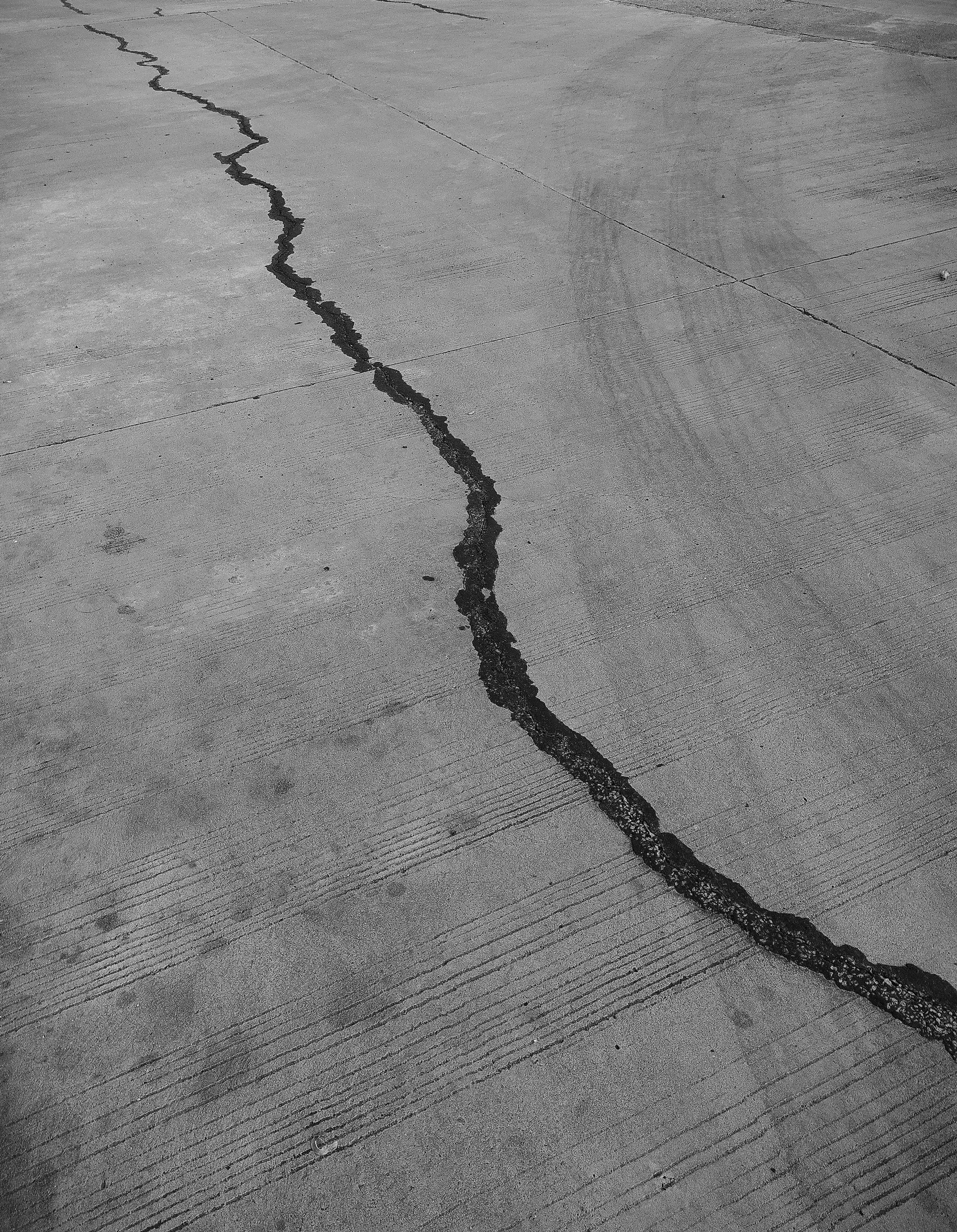
If you own a home in Los Angeles that was built before 1980 and sits on a raised foundation, there's a project you can do this year that costs less than a roof, finishes faster than a kitchen remodel, and could save you tens of thousands of dollars when the next major earthquake hits. The state will help pay for it. Some homeowners can get the entire cost covered. It's called a seismic retrofit — specifically, a brace-and-bolt retrofit. And despite a state-funded grant program that's been running since 2013, most eligible LA homeowners still haven't done it. About 32,500 homeowners statewide have used the Earthquake Brace + Bolt program to retrofit their homes. That's a small fraction of the eligible inventory. Here's what the work actually is, how the grant program works, and why this is one of the most overlooked projects in LA homeownership
The problem the retrofit solves
Homes built before 1980 in California were generally constructed before modern seismic codes took effect. That doesn't mean every pre-1980 home is dangerous in an earthquake — it means specific structural connections that we now know are critical were often missing or undersized. The two specific weaknesses a brace-and-bolt retrofit addresses are:
- The connection between the house and its foundation. In many older homes, the wood-framed structure sits on its concrete foundation without being bolted down. During strong shaking, the house can slide off the foundation. When that happens, the cost to repair is typically $75,000 to $150,000 or more — assuming the house is repairable at all. Many aren't.
- The cripple wall. This is the short wood-framed wall between the foundation and the first floor of a house, in homes with a raised foundation and crawl space. Cripple walls without proper bracing can collapse under earthquake loads, dropping the entire first floor onto the crawl space. Bracing them with plywood sheathing is a standard, well-understood fix.
Both of these are problems of connection and bracing — not foundation replacement, not structural redesign. The fix is straightforward and well-defined.
Who qualifies
The Earthquake Brace + Bolt (EBB) program is administered by the California Residential Mitigation Program, a joint authority of the California Earthquake Authority and the California Governor's Office of Emergency Services. Eligibility is based on three things:
- Construction era.: Wood-framed houses built before 1980. Newer homes typically already have the connections that pre-1980 homes lack.
- Foundation type: Raised foundations with a crawl space (where you can typically access the underside of the house). Slab-on-grade homes generally don't qualify for this specific program because they don't have the cripple wall vulnerability.
- ZIP code: As of the 2025 program rounds, more than 1,100 ZIP codes statewide qualified — including 303 added that year. Large portions of LA County are covered. The CRMP maintains a current eligible-ZIP-code list at EarthquakeBraceBolt.com.
If you bought a home in LA that meets these criteria, there's a reasonable chance you qualify. Many homeowners don't realize their home does.
What the grants actually cover
The base grant is up to $3,000 toward a qualifying retrofit. Since a typical brace-and-bolt retrofit costs $3,000 to $7,000 in California, that grant covers a substantial portion — sometimes the majority — of the project for a typical home. For income-eligible households (in recent rounds, households earning approximately $94,480 or less annually), there's a supplemental grant of up to $7,000 through the CEA Supplemental program. Combined with the base grant, that brings total possible funding to $10,000 — which exceeds the typical project cost for most homes. In other words, income-eligible homeowners can often have their entire retrofit covered. The 2025 program rounds also expanded eligibility for the first time to include rental and other non-owner-occupied properties. Landlords with qualifying older single-family or small multifamily properties can now apply, which substantially expands the universe of homes that could benefit. More than $20 million in funding was made available for the 2025 application period. Registration windows typically open in late summer and fall; the 2025 second registration ran August 20 through October 1. The 2026 cycle is expected to follow a similar pattern, with announcements through the CRMP and the California Department of Insurance.
What the work actually involves
A standard brace-and-bolt retrofit has three components. Foundation bolting. Steel anchor bolts are installed through the wood sill plate and into the concrete foundation, securing the house to its foundation. Existing foundations are drilled and epoxy-set anchors are used where the original foundation lacks adequate bolting. Cripple wall bracing. Plywood sheathing is installed on the interior face of the cripple wall, transforming it from a weak vertical element into a stiff shear wall capable of resisting earthquake loads. This typically involves opening up some interior crawl space access, installing the plywood, and adding nailing to specifications. Water heater strapping. The program requires that the water heater be properly strapped to adjacent wall studs. This isn't part of the structural retrofit, but it prevents water heater tipping during shaking — which is one of the most common sources of post-earthquake property damage, gas leaks, and house fires. (This also ties into general homeowner maintenance — a well-strapped, recently-flushed water heater is in better shape on multiple fronts.) Most retrofits take one to three days of actual construction work for a typical single-family home. The crew accesses the crawl space, installs the bolts, sheathes the cripple walls, straps the water heater, and the inspection follows. There's some interior disruption but no major remodeling. You must use a contractor from the EBB-approved Contractor Directory. These contractors are FEMA-trained in seismic retrofitting and California-licensed. The directory is available through the CRMP website.
The insurance angle
Two insurance benefits typically follow a completed retrofit. California Earthquake Authority (CEA) premium discount. Qualifying retrofit work makes policyholders eligible for up to a 25% discount on their CEA earthquake insurance premium. For a typical LA single-family home with CEA coverage, that discount can amount to hundreds of dollars per year — meaning the retrofit can pay for the homeowner's share over a few years through insurance savings alone, separate from the direct earthquake protection. Disclosure value at resale. A completed retrofit, with permit and final inspection documentation, is a transferable asset. Buyers (especially in 2026, with buyers more sophisticated about home safety questions than they used to be) are increasingly asking about seismic status during inspections. Sellers who can hand over retrofit documentation tend to face fewer negotiation challenges and faster closings than sellers who can't.
The math from a homeowner's perspective
Let's run the numbers for a hypothetical LA homeowner.
A 1955 single-family home in an eligible ZIP code. Estimated retrofit cost: $5,500. The homeowner is not income-eligible for the supplemental grant, so receives only the $3,000 base grant. Net out-of-pocket: $2,500.
In return, the homeowner gets:
The house is significantly less likely to slide off its foundation or have its first floor collapse in a major earthquake. The avoided cost in that scenario is $75,000–$150,000+ in repairs.
- A 25% reduction on CEA premium, saving roughly $200–$500/year depending on coverage. Documentation that strengthens their position on a future res
- A permit on file that, in the event of a future insurance claim, demonstrates the retrofit was done to code.
- For income-eligible households, the math is even simpler. The retrofit is essentially free, and all of the above benefits accrue without any out-of-pocket cost.
Why so few homeowners have done it
If the math is this good, why has the program only served 32,500 homeowners statewide in over a decade?
The bigger picture
LA sits on multiple active fault systems. The USGS estimates a meaningful probability of a major (magnitude 6.7+) earthquake on the San Andreas, Puente Hills, or Newport-Inglewood faults within the next several decades. The 1994 Northridge earthquake caused an estimated $20+ billion in property damage from a 6.7 quake on a previously underestimated fault.
The brace-and-bolt retrofit isn't going to make a house immune to a major earthquake. But it addresses the two most common failure modes for pre-1980 homes — sliding off the foundation and cripple wall collapse — for a fraction of what those failures cost to repair. The state will help pay for it. For some homeowners, the state will pay for all of it.
It is genuinely one of the highest-return projects an eligible LA homeowner can undertake. The reason most people haven't done it is that it's invisible, slow to think about, and not on the calendar. None of those reasons make it less important.
If your house qualifies, this is one to put on the list — for 2026, while the funding is available.




Thinking about a move in LA?
Whether you're buying, selling, or just curious what your home is worth — start with a conversation. No pressure, no obligation.
Book a consultation